
Crop Express - September 2026: Sudden Death Syndrome in SOybeans, Corn Disease and Biocontrol Field Notes

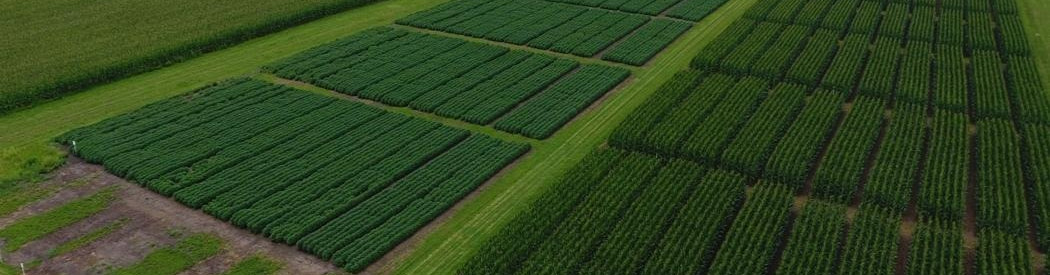
Five updates from the field this edition: a watermelon crop in South Texas, Sudden Death Syndrome in Midwest soybeans, corn disease pressure across the Great Lakes region, our soybean disease trials, and how biocontrol is holding up on our potatoes and watermelons.
Jump to any section below.
Sudden Death Syndrome in Soybeans Hits the Midwest
Sudden Death Syndrome (SDS) is showing up in many soybean fields this season. In the photos below, each flag marks a plant showing SDS symptoms. Compare the Big Bean-treated soybeans with the untreated soybeans, then the side-by-side view, with Big Bean on the left. The biostimulant treatment helped plants avoid premature death.
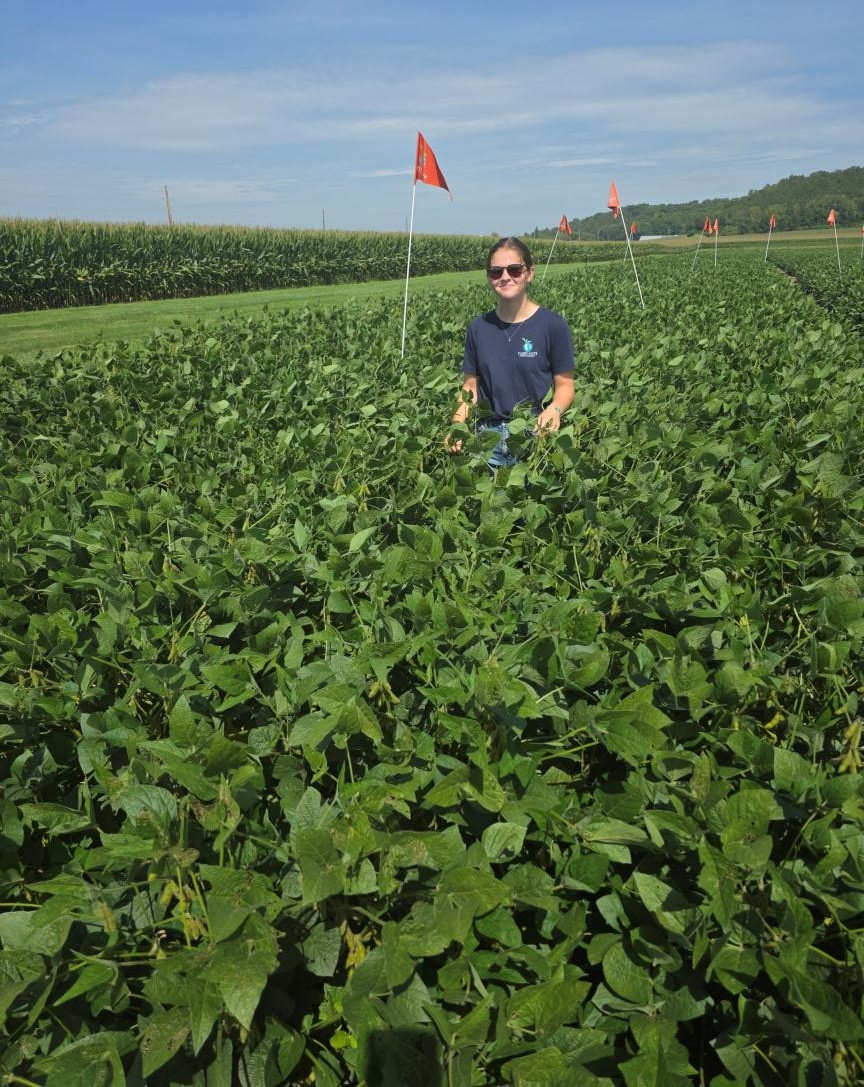
Big Bean Treated Soybeans
Flags represent SDS plants
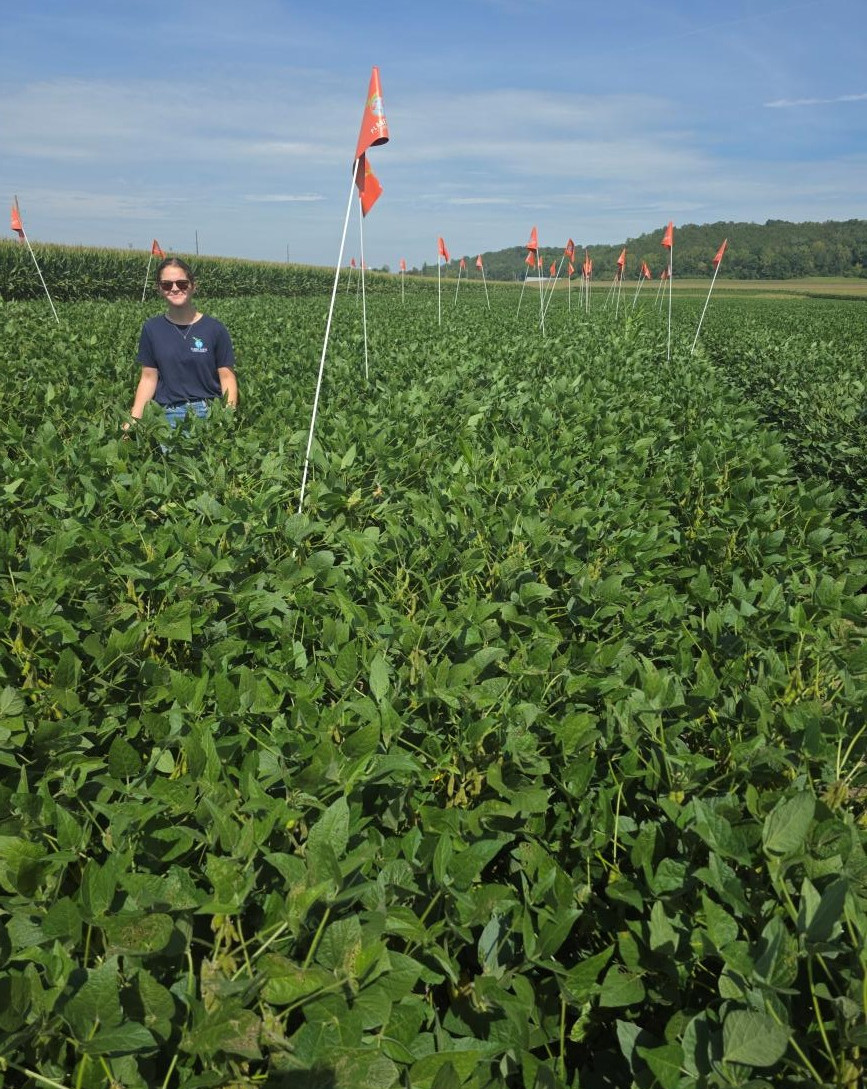
Untreated Soybeans
Flags represent SDS plants
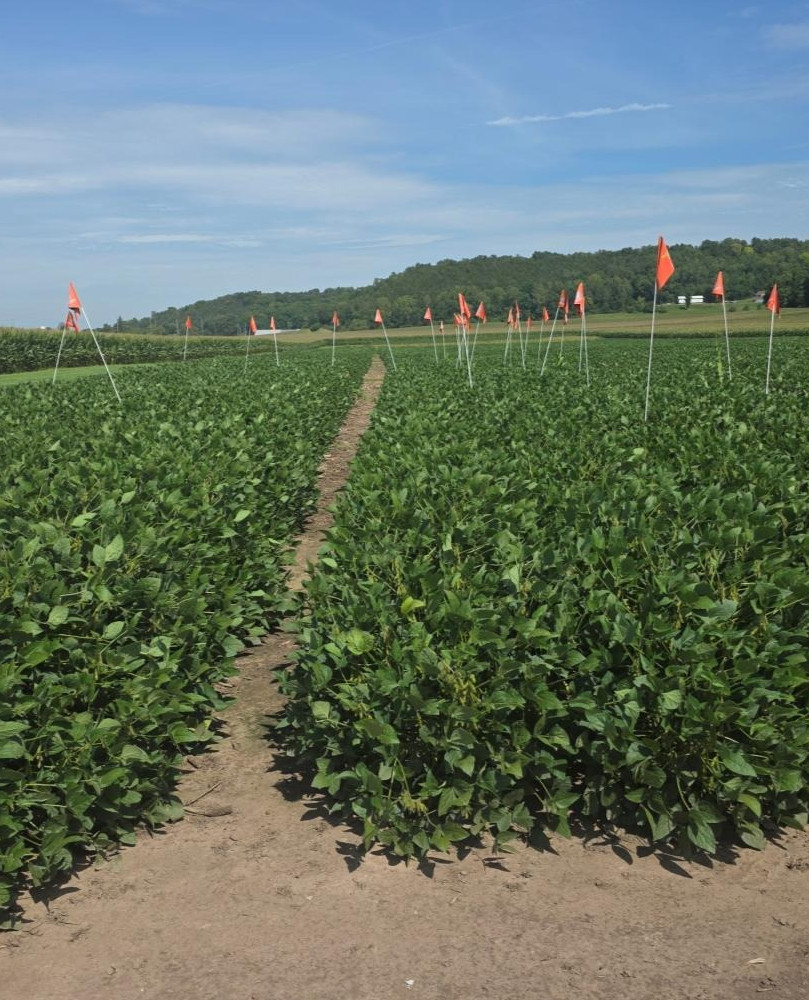
Side by Side Soybeans
Big Bean Treated on the left
Texas Watermelons on Healthy Soil at Prukop Farms
The Prukop watermelon farm in South Texas is using biology and biostimulants to improve soil and plant health.
Here's how this season's crop progressed:
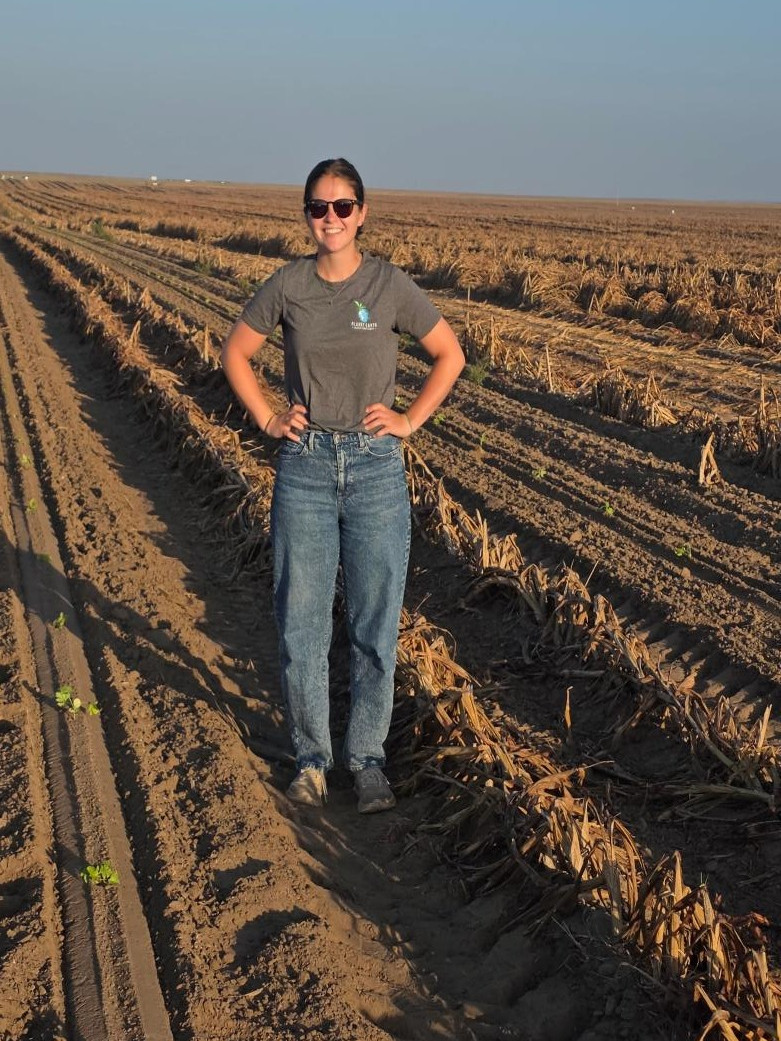
August 1st
Planting
4-6 inches
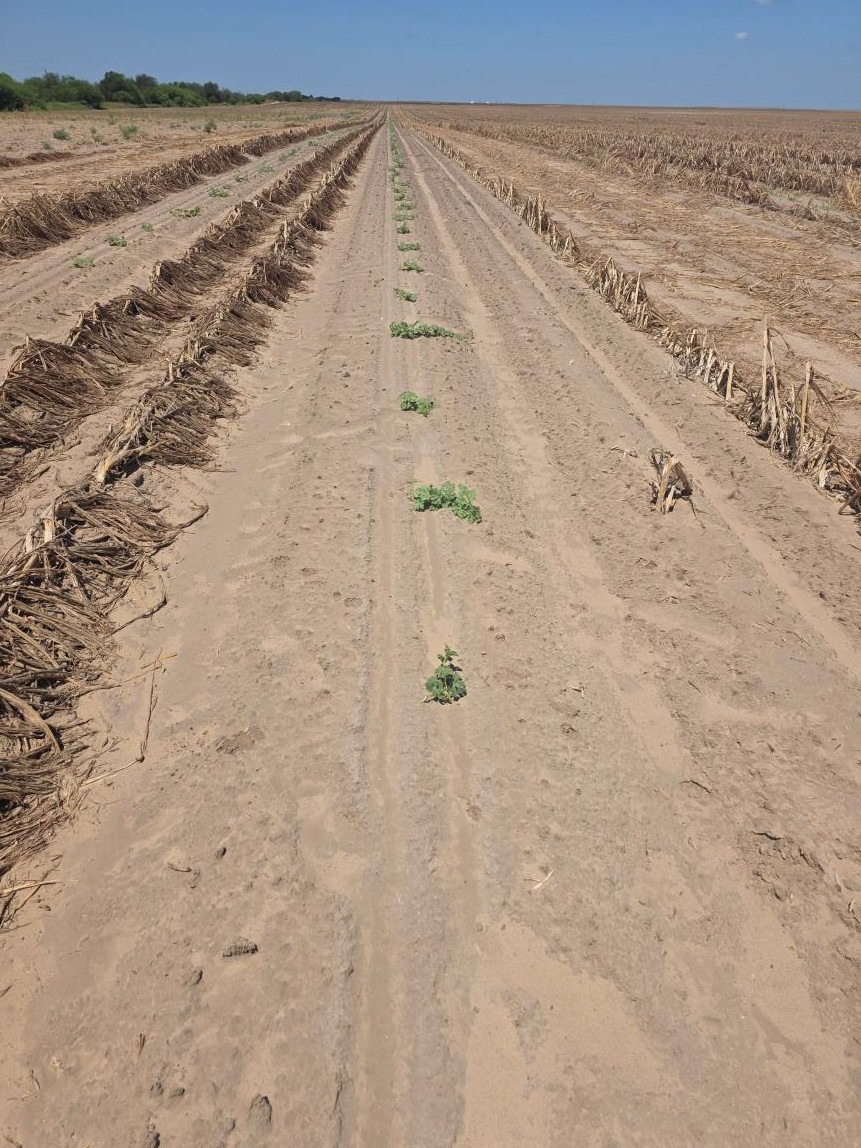
August 14th
Stretching
1-2 feet
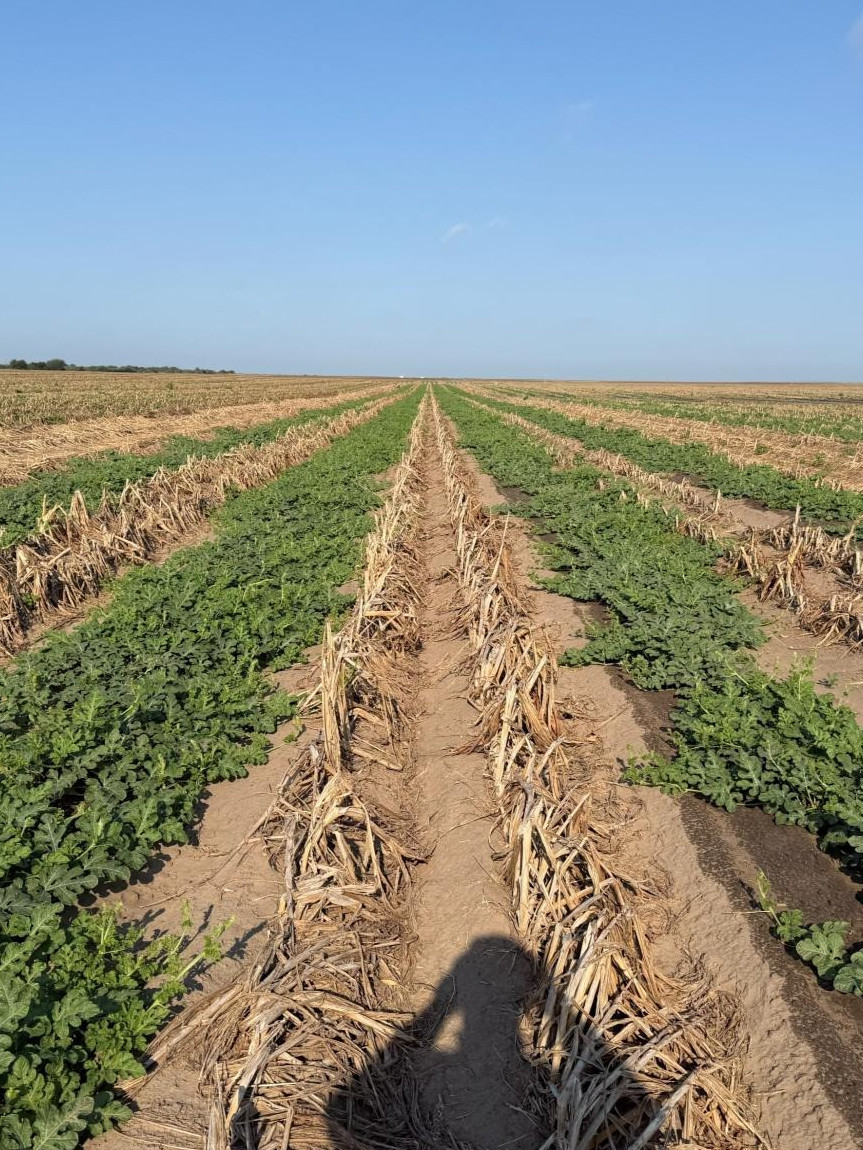
August 30th
Setting Fruit
6-10 Feet
Corn Diseases Rear Their Ugly Heads
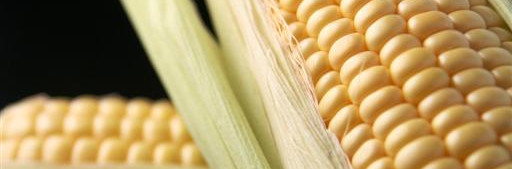
Corn fields across the Great Lakes region are showing Goss's wilt, gray leaf spot and northern corn leaf blight, along with nitrogen deficiency in some fields.
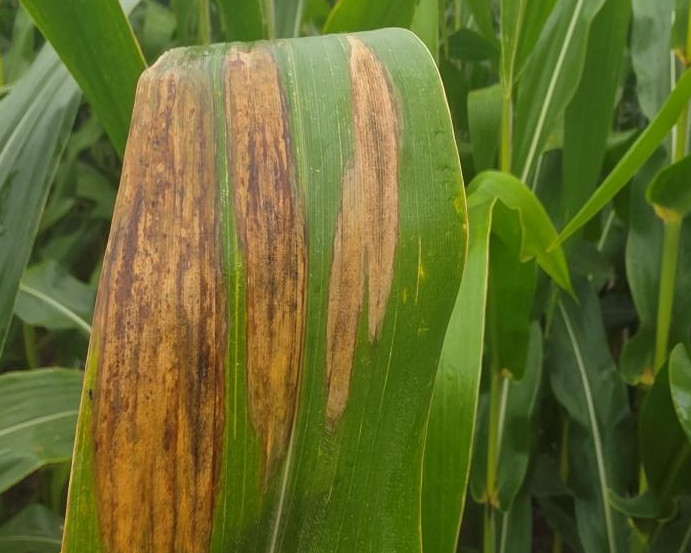
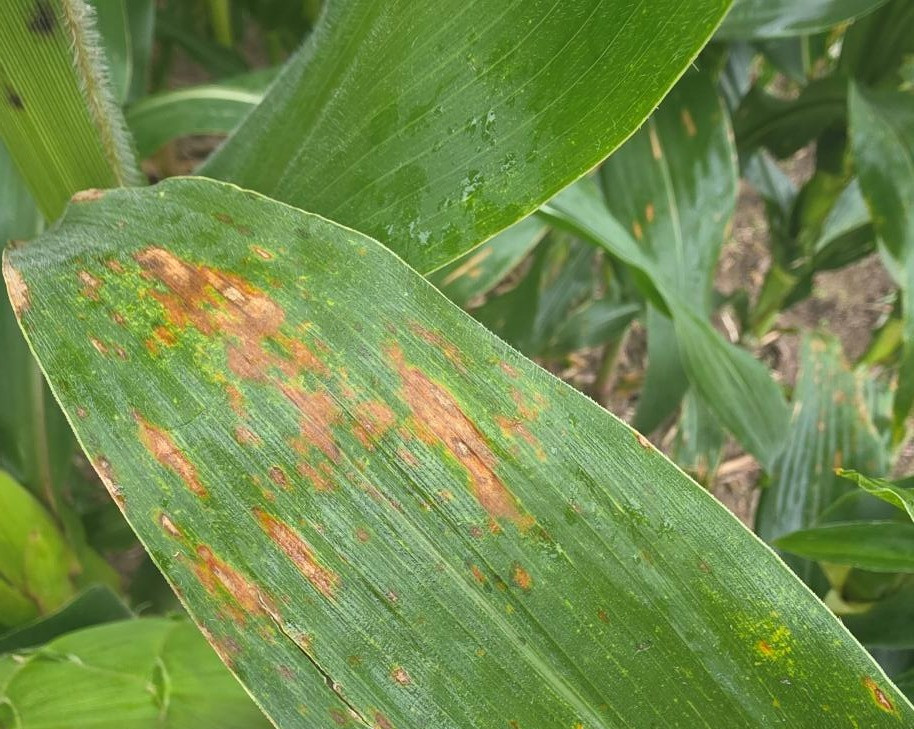
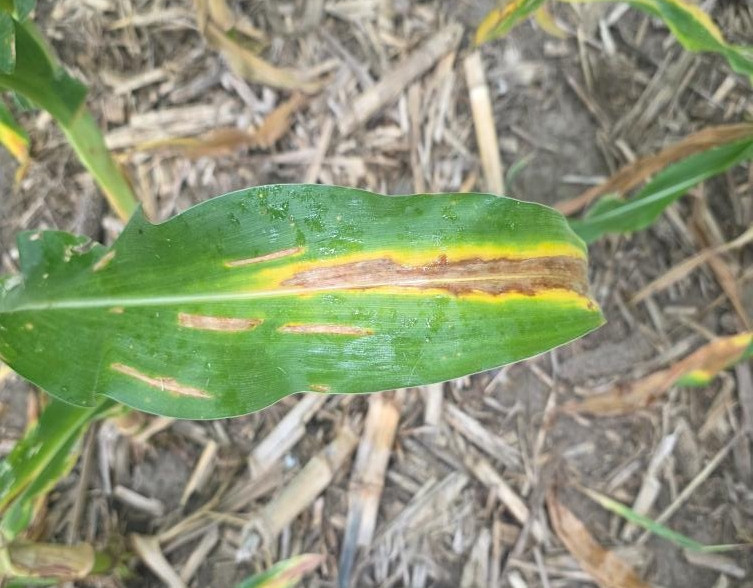
There's some good news. A few diseases are not as bad in our area as last year, including anthracnose leaf spot, eyespot and southern rust.
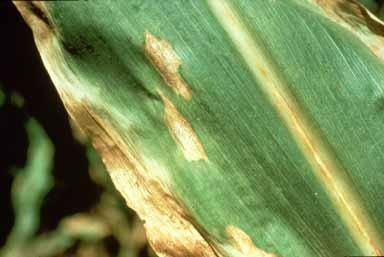

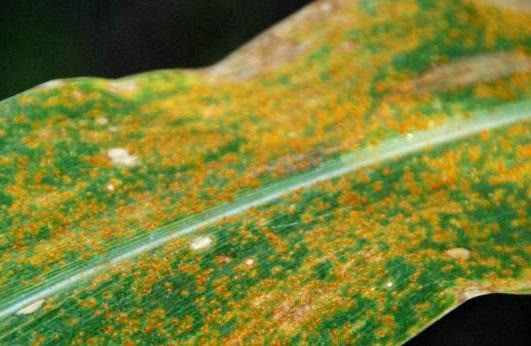
Corn Stunt Disease
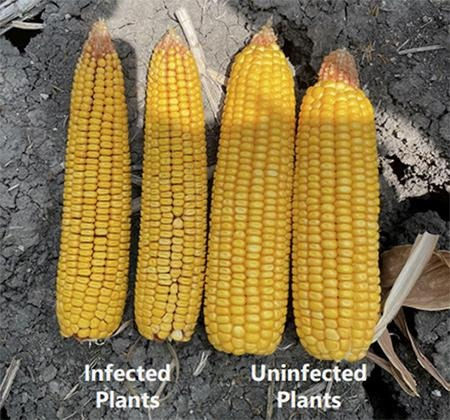
Corn stunt is spread by leafhoppers. It's caused by a bacterial spiroplasma, so it does not respond to fungicides.
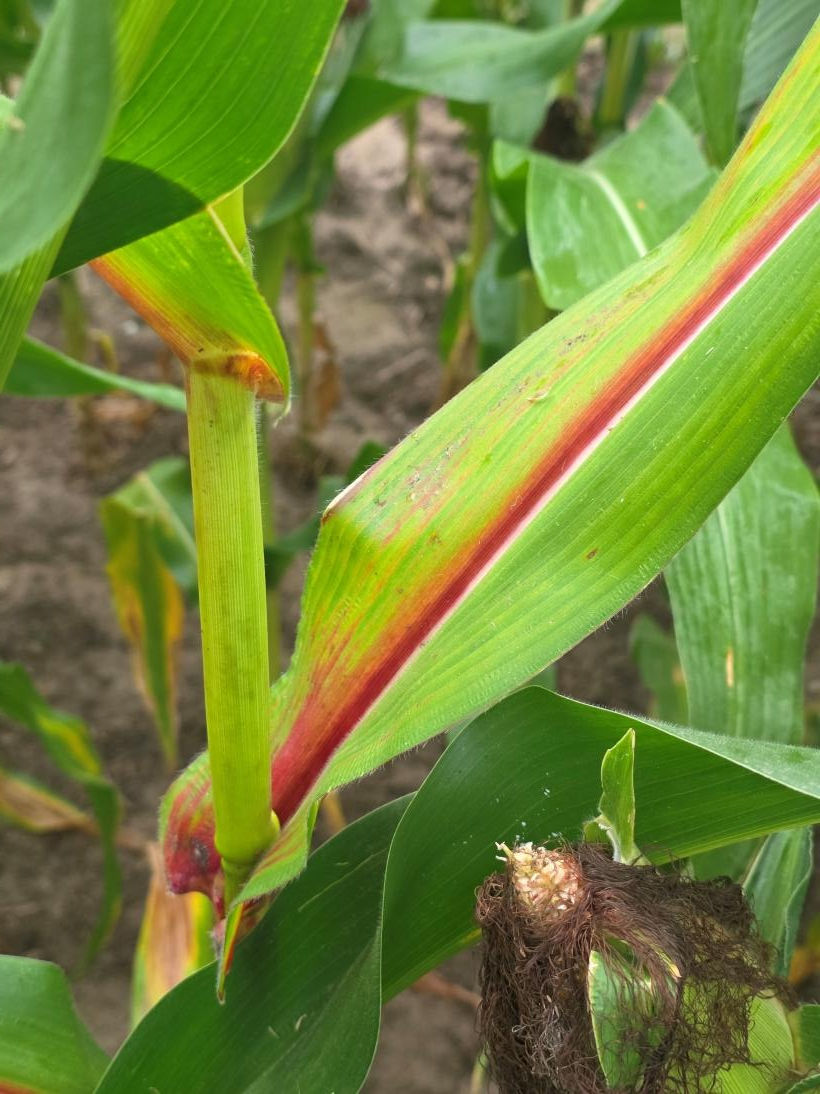
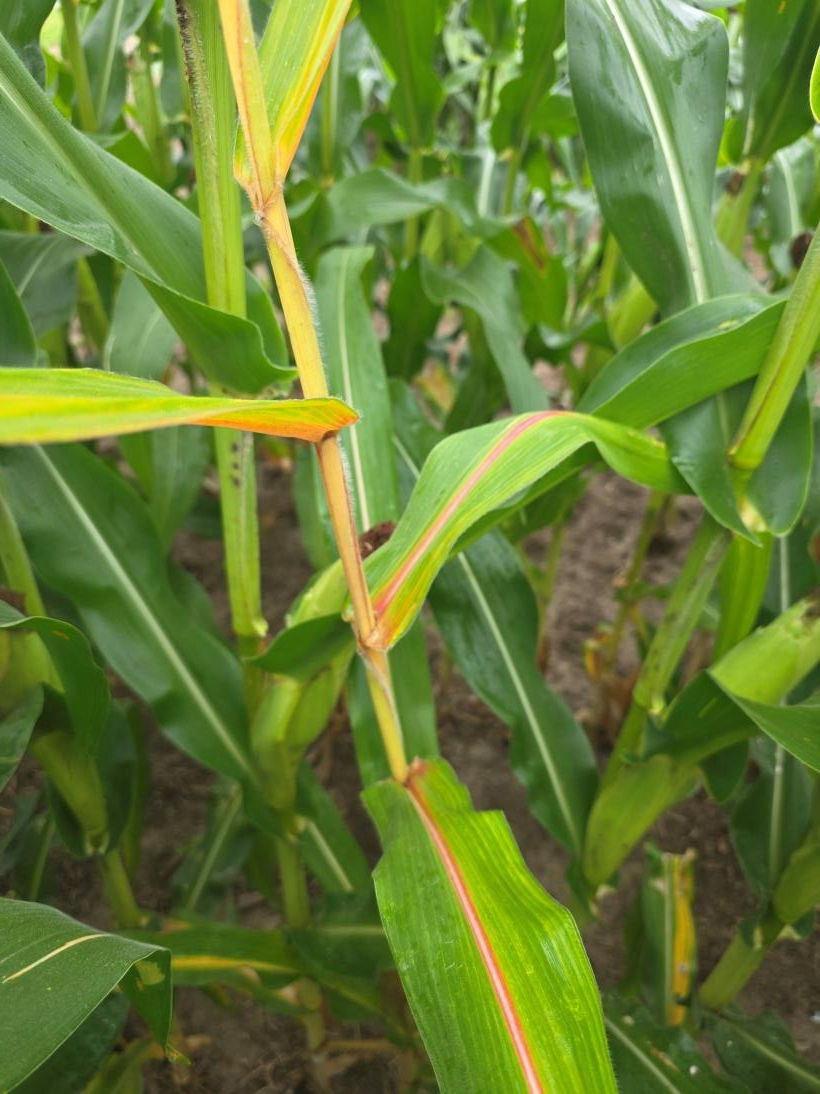
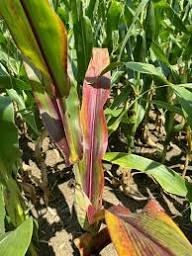
Timing matters:
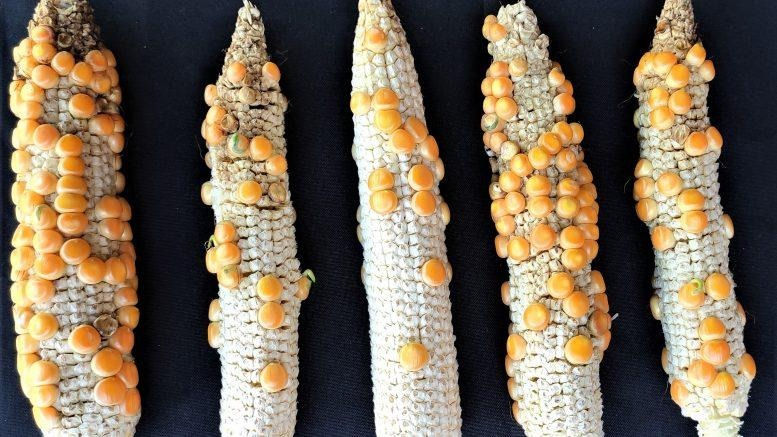
Early-Season Infections of corn stunt spiroplasma disease can lead to poor pollination and poor yields.
Later infections, in July or August, have a smaller impact on yield.
Our Soybean Disease Trials Are Still Looking Good
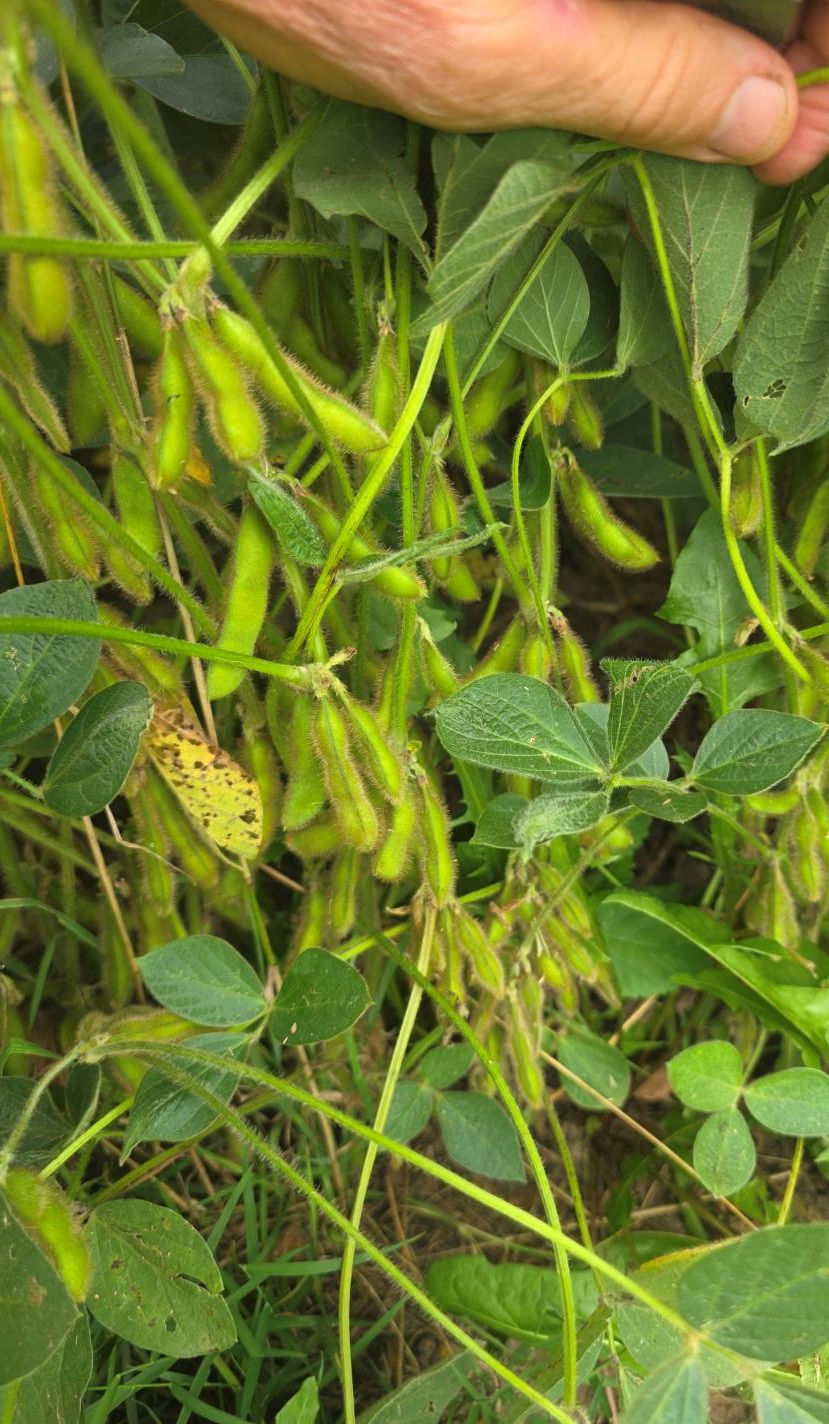
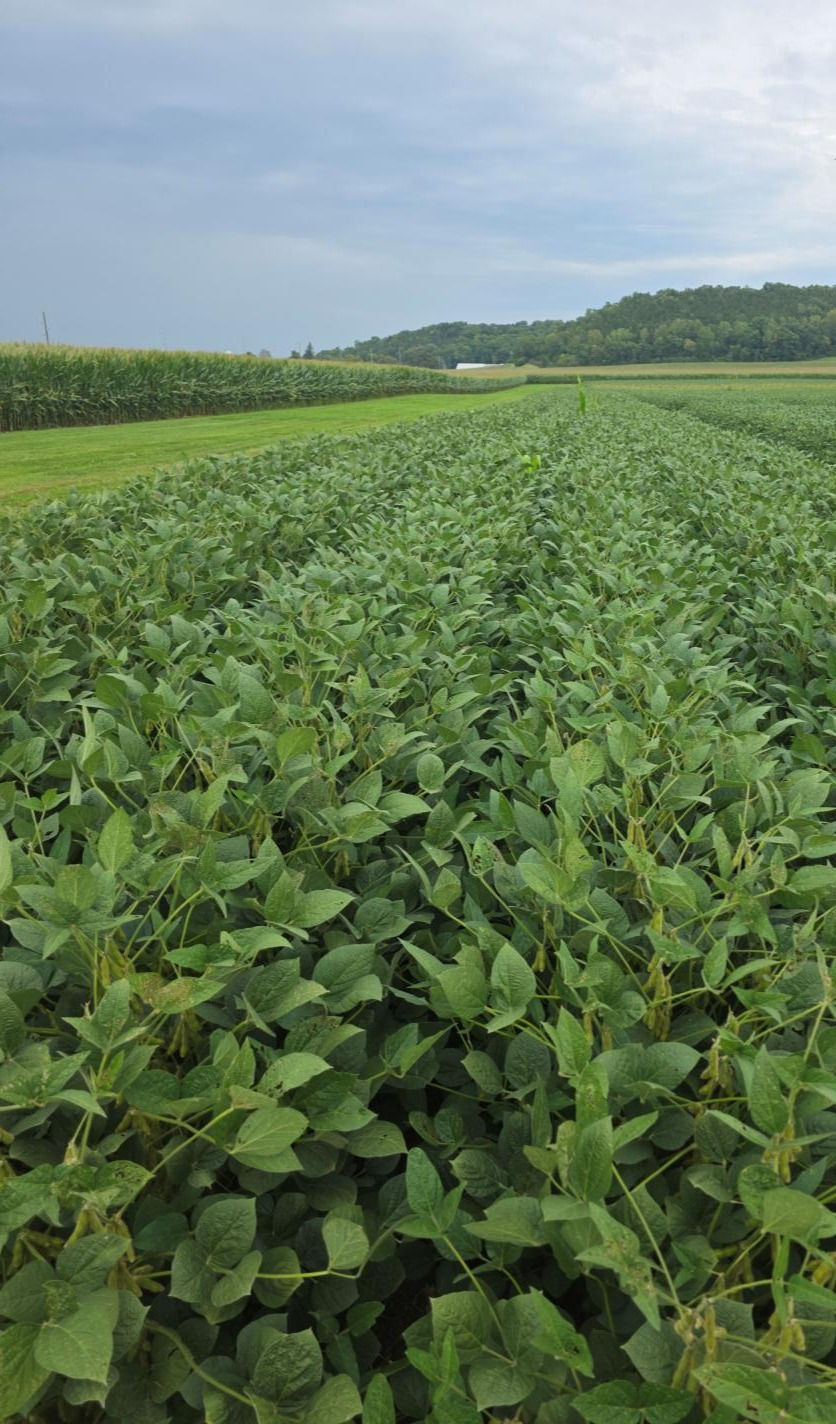
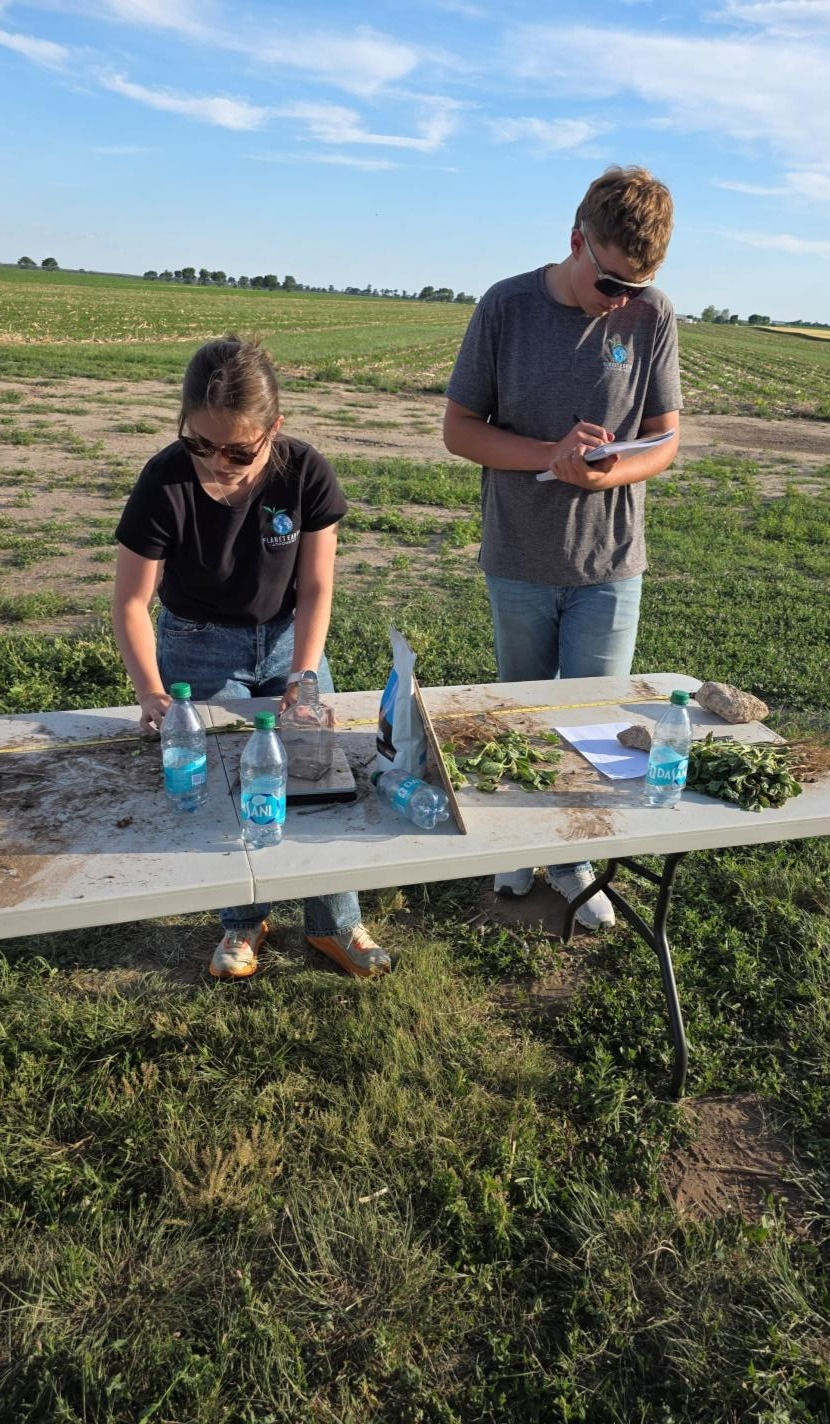
No white mold or Sudden Death Syndrome has been detected in our soybean disease trials so far this season
Biocontrol Holding on Our Potatoes and Watermelons
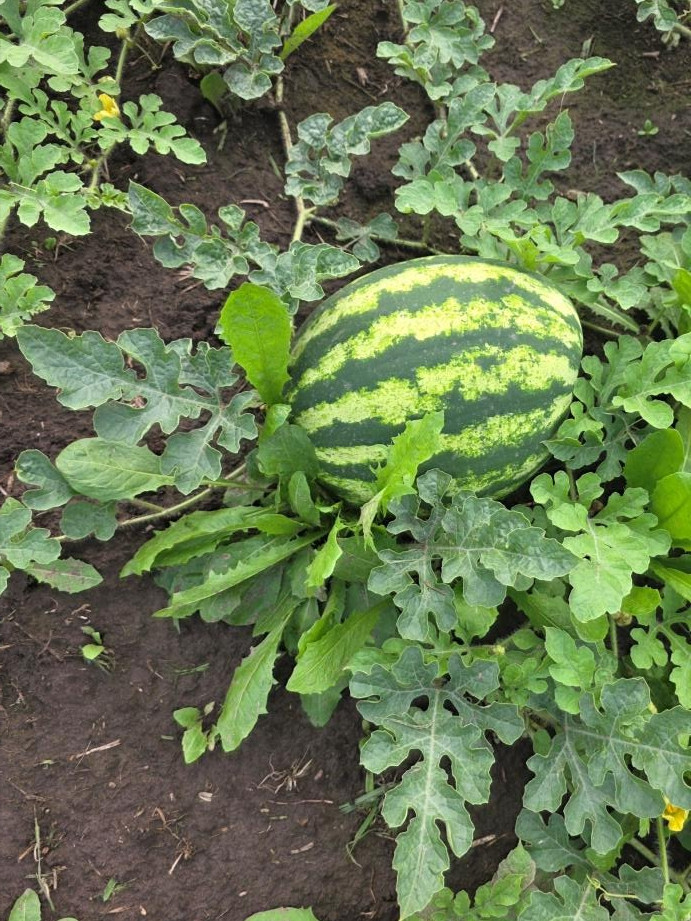
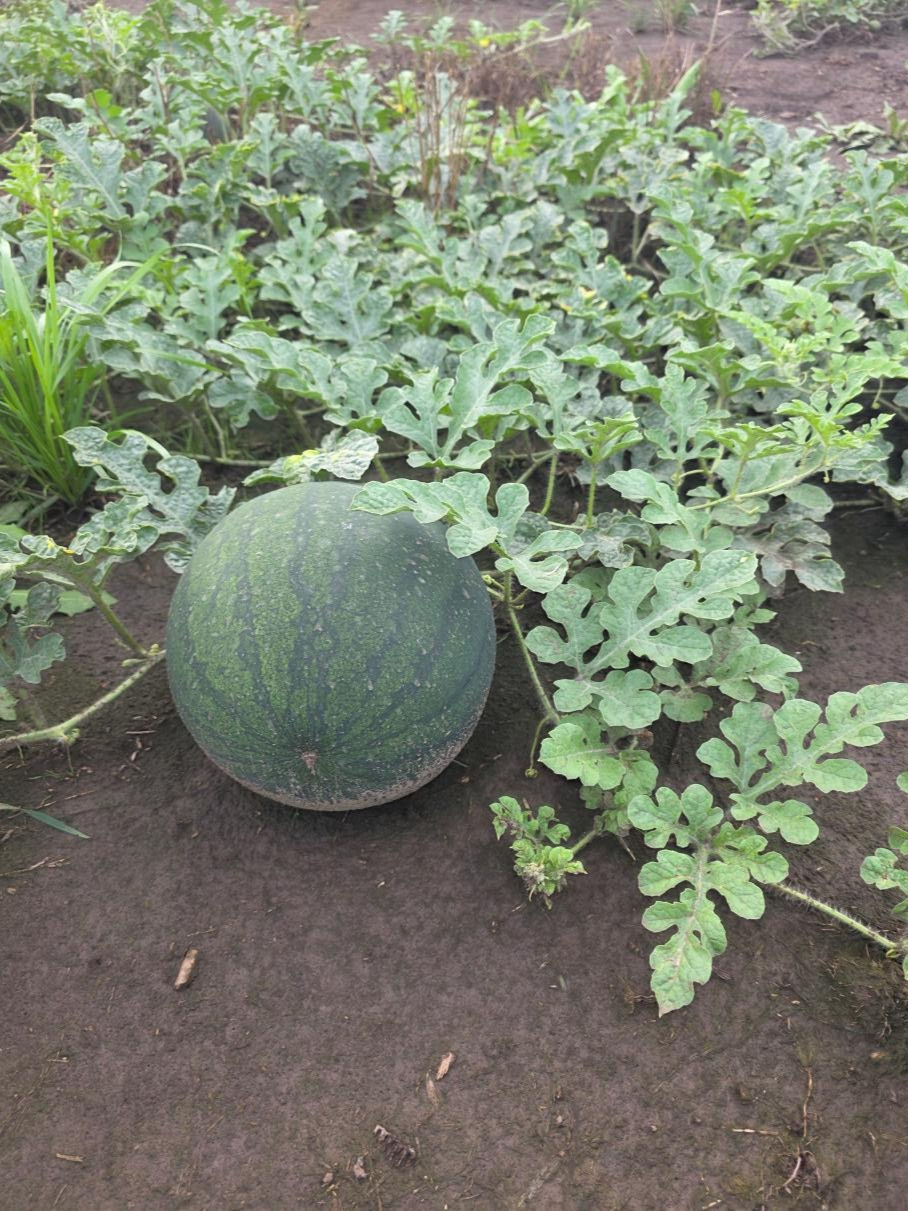
Our potatoes and watermelons show no disease symptoms. Both crops are being grown with biological fungicides this year.

Save the Date: 2027 Research Tour
Click below to register your interest.
Comments