
DIAGNOSTIC SERVICES
We don’t guess—we diagnose.
At Planet Earth Agronomy, we combine practical field experience with advanced diagnostics to uncover what’s actually limiting performance on your farm.

We use leading-edge testing and trusted third-party labs to generate accurate, unbiased insights—then work side-by-side with you to turn that data into profitable action. The result: better decisions, stronger crops, and improved ROI.
PLaNeT eARTH ARGONOMY's
3D APPROACH TO DIAGNOSTICS
Our 3D Model guides every recommendation we make. Agronomy is part science, part experience, and part intuition, and the best decisions come from combining all three.
1
DISCOVERY
We combine comprehensive testing with one-on-one collaboration to uncover what is actually limiting performance on your farm.
2
DIAGNOSIS
We replace guesswork with accurate, unbiased insights generated through leading-edge, third-party laboratory testing.
3
DETERMINATION
We work side-by-side with you to analyze the data and turn those insights into profitable action and improved ROI.
ENCYCLOPEDIA OF OUR DIAGNOSTIC TESTS
Airborne Spore and Ozone Testing
What We Test:
Environment
Some of the biggest crop threats are moving through the air before you ever see them in the paddock.
It measures disease spores and ozone exposure in the crop environment to assess airborne biological and oxidative stress.
THE RESULTS:
Helps decide when disease risk is rising, whether protective action is justified, and whether environmental stress is likely to affect crop performance.
CO2 Burst Testing
What We Test:
Soil
This is one of the fastest ways to see whether your soil biology is awake and working.
It measures the amount of carbon dioxide released by microbes after the soil is rewetted, which reflects microbial respiration and activity.
THE RESULTS:
Helps decide whether the soil is biologically active enough to support nutrient release or whether more carbon, biology or gentler management is needed.
Colorimetric Fruit Testing
What We Test:
Fruit
Fruit colour is not just cosmetic. It is often a proxy for maturity, consistency and market readiness.
This test uses colour measurement to quantify ripeness or quality changes more objectively than the human eye can.
THE RESULTS:
Helps decide harvest timing, sorting standards and whether fruit is hitting the target grade for market.
Comprehensive Water Source Testing
What We Test:
Water
Water can be carrying more risk or more limitation than the fertilizer program itself.
This test evaluates pH, salts, bicarbonates, hardness, contaminants and sometimes microbial load in irrigation or spray water.
THE RESULTS:
Helps decide whether water needs treatment, whether chemistry compatibility is at risk, and whether the water source is creating hidden agronomic problems.
Crop Residue Testing
What We Test:
Crop and Forage
Residue is not just trash on the surface. It is either feeding the next crop or tying nutrients up.
This test looks at residue composition, including carbon-to-nitrogen balance and breakdown potential.
THE RESULTS:
Helps decide whether residue will immobilise nitrogen, whether biological breakdown support is needed, and how residue should influence the next fertility plan.
DNA Soil Testing
What We Test:
Soil
Shows who is living in your soil, so you can stop guessing whether the biological engine is present.
This test reads the genetic fingerprints of bacteria, fungi and other soil organisms to identify which groups are present.
THE RESULTS:
Helps decide whether to invest in biology-building inputs, change fertility strategy, or address missing microbial functions before yield suffers.
Forage RFQ Testing
What We Test:
Crop and Forage
RFQ testing moves forage decisions beyond tonnes and into animal performance.
RFQ means Relative Forage Quality, and it combines digestibility and intake potential to estimate feeding value.
THE RESULTS:
Helps decide when to cut, how to ration forage, and whether forage quality supports the production goals of the herd.
Fruit Density Testing
What We Test:
Fruit
Density can reveal hidden differences in fruit quality, maturity and internal condition.
It measures how heavy fruit is relative to its size, which can reflect dry matter, firmness or internal composition.
THE RESULTS:
Helps decide harvest windows, packing grades and which fruit is more likely to store and ship well.
Ground Radar Testing
What We Test:
Soil
Ground radar lets you see hidden profile problems without digging up half the paddock.
It uses radar signals to map subsurface features such as layering, moisture differences, compaction zones or buried obstacles.
THE RESULTS:
Helps decide where to rip, where to sample more deeply, and where physical soil constraints are limiting performance.
Haney Testing
What We Test:
Soil
Haney helps show not just what nutrients exist in the soil, but how much of that fertility is likely to become plant-available.
It combines chemical and biological measurements, including carbon activity and nutrient release potential, to estimate how alive and functional the soil is.
THE RESULTS:
Helps decide whether to reduce synthetic fertilizer, add carbon sources, or shift management to improve nutrient cycling and return on fertiliser spend.
Microbial CFU Count Testing
What We Test:
Soil
Sometimes you need to know not just who is there, but whether enough live microbes are present to matter.
CFU means colony-forming units, and the test counts living microbes capable of growing under test conditions.
THE RESULTS:
Helps decide whether a biological product, compost extract or inoculant is viable and worth applying.
Plant Amino Acid Testing
What We Test:
Plant
Amino acids are a strong signal of how well the plant is building proteins and handling stress.
This test measures amino acid levels linked to metabolism, nitrogen use and stress physiology.
THE RESULTS:
Helps decide whether the crop is under metabolic strain and whether to support recovery with nutrition or biostimulant inputs.
Plant Chlorophyll Testing
What We Test:
Plant
Chlorophyll testing is a fast read on whether the crop is photosynthesising efficiently or slipping backwards.
It measures chlorophyll levels, which are closely tied to nitrogen status and photosynthetic capacity.
THE RESULTS:
Helps decide whether nitrogen is sufficient, whether stress is suppressing productivity, and whether intervention is needed before biomass or yield drops.
Plant Pathogen Testing
What We Test:
Plant
By the time disease symptoms are obvious, the crop is usually already paying for it.
This test detects the presence of disease-causing organisms in plant tissue, often before full visual expression.
THE RESULTS:
Helps decide whether to spray, hold off, change product choice or isolate a disease issue before yield loss spreads.
Plant Pesticide Residue Testing
What We Test:
Plant
Residue testing helps confirm whether chemistry is lingering longer than expected and affecting crop safety or market access.
It detects and quantifies pesticide residues remaining in plant material.
THE RESULTS:
Helps decide whether residue levels are acceptable, whether withholding periods are being met, and whether spray strategy needs adjusting.
Plant Sap Testing
What We Test:
Plant
Sap testing shows what is moving through the plant in real time, which makes it one of the sharpest tools for early nutrient management.
It measures soluble nutrients and metabolic indicators in plant sap, capturing what the plant is actively taking up and transporting.
THE RESULTS:
Helps decide what to foliar feed or correct immediately, often before a standard tissue test would flag the issue.
RNA Plant Tissue Testing
What We Test:
Plant
This is the closest thing to a crop’s check engine light because it shows what the plant is actively responding to right now.
Instead of just measuring what nutrients are sitting in the tissue, it measures real-time genetic activity to reveal stress, defence responses and metabolic pressure as they happen.
THE RESULTS:
Helps decide whether the crop needs rapid intervention now, such as nutrition, biological support, disease management or stress reduction, before symptoms become visible.
Seed Pathogen Testing
What We Test:
Seed
Seed-borne disease often looks like poor establishment until it is too late to fix properly.
It detects fungal, bacterial or other pathogen contamination carried on or in the seed.
THE RESULTS:
Helps decide whether seed treatment is needed, whether a lot should be avoided, and how much establishment risk exists before planting.
Seed Viability Testing
What We Test:
Seed
A bag of seed can still fail if the seed is alive on paper but weak in practice.
It measures the percentage of seed that is capable of germinating and developing normally.
THE RESULTS:
Helps decide whether seed lots are worth planting, whether seeding rates need adjusting or whether a replacement lot is the smarter move.
Seed Virus Testing
What We Test:
Seed
Starting with infected seed is one of the easiest ways to lose a crop before it begins.
This test checks seed for virus presence that may infect seedlings and reduce vigour or yield.
THE RESULTS:
Helps decide whether to reject a seed lot, change sourcing or take extra early management steps.


Larry Fiene
Founder/CEO
CEO and Co-Founder of Planet Earth Agronomy, Larry leads the company’s research-driven agronomy platform, delivering tested biostimulant and nutrient solutions across 15 U.S. states and Canada while serving on multiple industry boards and earning national recognition for agricultural leadership.


Jake Fiene
Operations Lead
Jake Fiene combines hands-on agricultural experience with a systems-level role at Planet Earth Agronomy, supporting product formulation, manufacturing, logistics, and customer success. He focuses on delivering consistent, field-ready solutions by aligning product performance with real-world conditions.


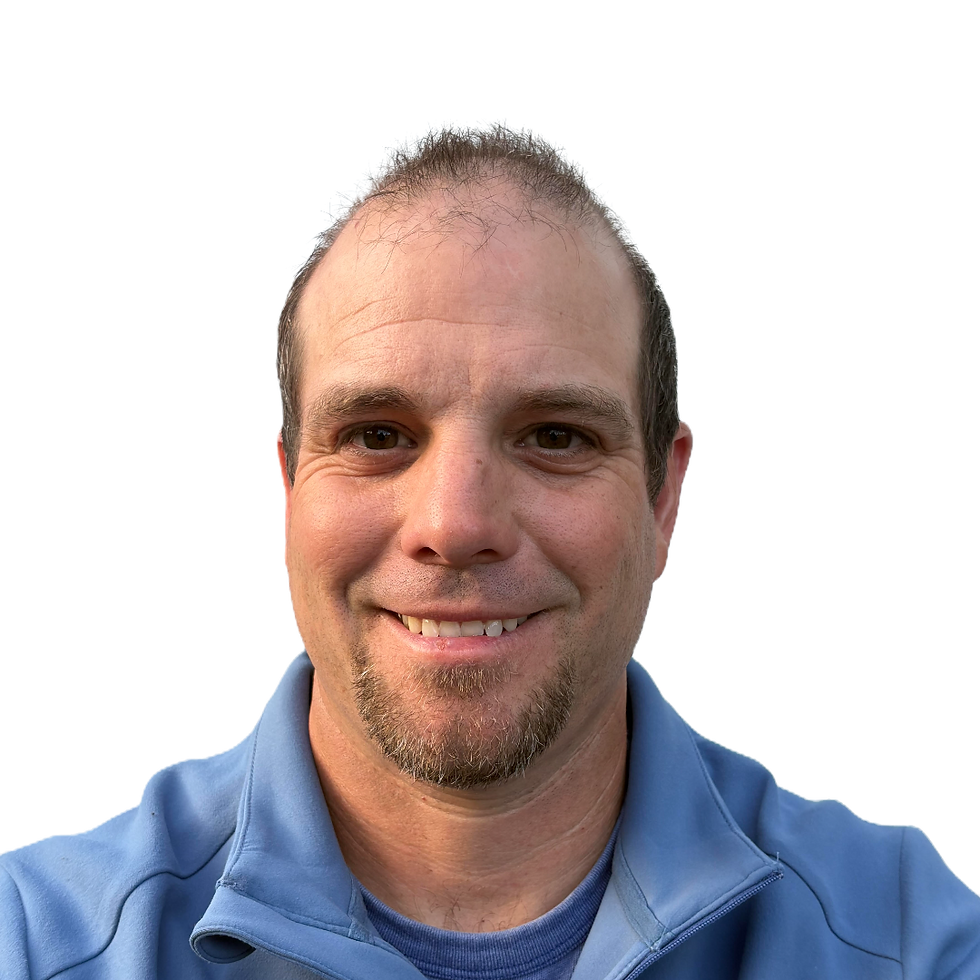


Louisa Ewert
Canadian Sales Lead and Executive Assistant
Louisa brings a lifelong connection to agriculture, entrepreneurship, and plants to her role with Planet Earth Agronomy. Her experience in business development, sales, and building strong customer relationships complements her work as Planet Earth Agronomy’s Canadian sales lead and Administrative Assistant.






Taylor Moore
Technical Sales Lead
Taylor Moore is a Purdue University graduate with a degree in Agricultural Sales and Marketing and a minor in Agronomy. Her experience in agricultural biologicals and crop insurance has given her a well-rounded understanding of the industry and the challenges producers face.
Meet Our Team

DON'T TAKE OUR WORD FOR IT
See the Results from Growers in the Field
I like their practicality really at the end of the day, they value the implementation and they understand that it's an ROI game...[the Planet Earth Team] are a tremendous wealth of information... their information is the key, you know, and they have the experience and everything needed to guide you in a direction that's going to be synergy.
Kevin D.
- Distributor, Upper Mid-West
I would highly recommend Planet Earth to anybody that has questions about the biological world, the biostimulants, something that they want to add to their portfolio and be able to offer customers and be comfortable with proven products and a lot of knowledge.
Troy T.
- Retailer, High Plains
We take their advice. Yes. There's a lot of good and there's a lot of bad microbiology in the industry and with the research they have here at Planet Earth Agronomy, we've never been steered in the wrong direction.
Nelson M.
- Retailer, South Dakota
We met Larry and the guys at Planet Earth Agronomy and everything's been great. They've been awesome to us and we just hit things off right away.
[They are] more about the passion than thier bottom line.
Chris H.
- Grower, South Dakota
A lot of companies, they can get a product and take it to the market and have a big year with it and they disappear off the map. They got their money, they're gone onto the next thing... and that's just not the approach with [Planet Earth Agronomy]. And so their beliefs and who they are to the core is what makes me want to work with them.
Andy J.
- Grower, South Dakota
THE BLOG
STAY UPDATED WITH THE LATEST IN ENVIRONMENTAL CONSULTING
CONTACT US
SCHEDULE A CONSULTATION
This is the space to introduce visitors to the business or brand.
Briefly explain who's behind it, what it does and what makes it unique. Share its core values and what this site has to offer.
